


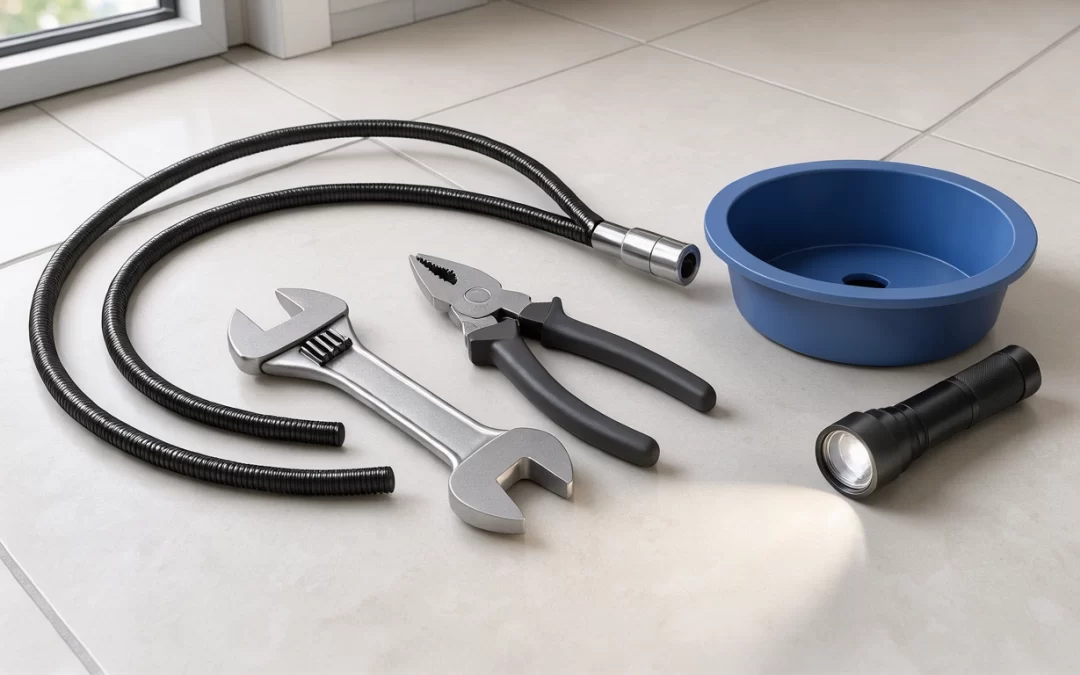
When your cycle stops mid-wash and you discover a drum full of sudsy liquid, a washing machine won’t drain properly due to either a mechanical obstruction, a faulty drainage component, or an electrical safety switch. In most instances, clearing trapped debris from the lint trap or removing a kink in the discharge line restores normal operation immediately. Addressing the problem quickly prevents water damage to your laundry room floor and keeps your laundry routine moving forward.
Safety note: Always disconnect your washing machine from the electrical outlet and shut off the hot and cold water supply valves before inspecting, cleaning, or disassembling internal components. Water and high-voltage electricity pose serious injury risks, so if an electrical fault is suspected, consult a certified technician.
How to Manually Drain a Washing Machine with Standing Water
Before diagnosing why your washer failed, you must remove the trapped wastewater. A washer not draining standing water leaves heavy, wet clothes that will develop mildew if left unaddressed. You can safely empty the appliance using household supplies before taking anything apart.
Here is how to manually drain a washing machine step-by-step:
- Prepare your workspace: Lay down old towels and position a shallow baking pan or bucket beneath the access point. Keep an empty five-gallon bucket nearby.
- Locate the emergency drain tube (front-loaders): Behind the lower front access panel, locate the small rubber drain tube next to the pump filter. Unclip the plug over your shallow pan, let it fill, replace the cap, empty the pan into the larger bucket, and repeat until water stops flowing.
- Lower the drain hose (top-loaders or older units): Disconnect the discharge hose from the wall standpipe and lower its nozzle into a bucket placed directly on the floor. Gravity will naturally draw the standing water out of the drum.
- Bail manually if necessary: If the discharge lines are completely jammed, scoop the bulk of the standing water out of the tub using a small container before unsealing any hoses.
6 Common Causes Why a Washing Machine Won’t Drain
1. Clogged Washing Machine Drain Pump Filter
Small personal items like coins, baby socks, hairpins, and loose threads frequently bypass the wash basket seal. In front-loading models, these items accumulate directly inside the drain trap. A clogged washing machine drain pump filter blocks water from entering the impeller housing, triggering an automatic safety shutoff. If a front load washer won’t drain, this filter is the most probable culprit. Twist the filter cap counterclockwise, pull the cylindrical screen out, wash away built-up lint and sludge under warm water, and check the chamber for lodged objects before reinstalling it tightly.
2. Kinked or Obstructed Drain Hose
The corrugated plastic hose running from the back of the washer to your plumbing standpipe can easily twist if the appliance shifts during high-spin cycles. A washing machine drain hose blockage may also develop from accumulated lint, calcium build-up, or undissolved powdered detergent. Inspect the line along its entire run to ensure it is not pinched against the back wall. If the hose looks clear externally, detach it and run a plumber’s drain snake through the tube or flush it out with a garden hose to clear internal blockages.
3. Jammed or Burned-Out Drain Pump
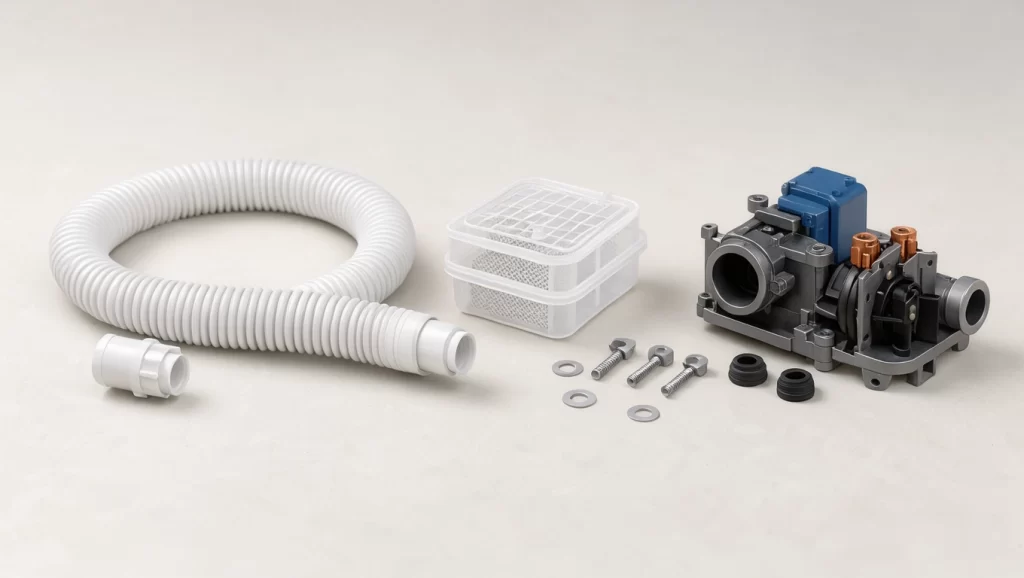
The electric pump pulls water out of the tub and pushes it into the waste pipe. A washer humming but not draining usually indicates that power reaches the pump motor, but foreign debris has jammed the impeller blades. If the impeller cannot spin freely by hand once you clear foreign objects, or if the pump hums without moving water, the internal motor windings have burned out. When testing pumps, technicians measure electrical continuity across the terminals with a multimeter; an open circuit means the pump requires complete replacement.
4. Broken Lid Switch or Door Latch Sensor
Modern laundry appliances will not run high-drain cycles if the safety switch cannot confirm that the lid or door is securely closed. When you encounter a top load washer not draining or spinning, a broken plastic lid strike or failing mechanical microswitch is often to blame. The machine assumes the lid remains open, preventing the transmission or electronic control board from advancing into the drain-and-spin phase. You can check the latch mechanism for visible physical damage or test the switch contacts for continuity.
5. Digital Error Codes and Electronic Control Glitches
Contemporary smart washers rely on pressure transducers to measure water depth. If an electrical surge occurs, or if the pressure switch tube fills with residue, the appliance cannot verify that water levels are dropping. The unit will stop mid-cycle and flash a washing machine drainage error code (such as OE on LG, 5E or ND on Samsung, or F03 E02 on Whirlpool). Performing a hard power reset by unplugging the unit for ten minutes clears minor memory glitches. If the code persists after manually clearing the lines, the pressure sensor or main control board may need servicing.
6. Siphoning from Incorrect Standpipe Height
Plumbing geometry is critical for proper drainage. If the drain hose extends too far down into the standpipe—or if the standpipe sits lower than the appliance manufacturer’s recommended height (typically 30 to 36 inches)—water may siphon continuously or back up into the tub. Ensure your drain line uses an anti-siphon bracket and does not form an airtight seal inside the home’s plumbing pipe, as proper airflow is necessary for uninhibited gravity flow.
Troubleshooting Washing Machine Drainage Issues
Use the following diagnostic matrix to match your machine’s symptoms with the correct mechanical remedy:
| Symptom | Probable Cause | DIY Difficulty | Recommended Action |
|---|---|---|---|
| Humming noise with full tub | Jammed pump impeller | Moderate | Clear debris from pump housing or replace pump. |
| No noise, cycle halts completely | Faulty lid switch / door latch | Low to Moderate | Test latch continuity; inspect mechanical strike pin. |
| Error code displayed on screen | Clogged filter or pressure sensor | Low | Clean drain pump filter and perform power reset. |
| Slow draining with gurgling sounds | Drain hose kink or pipe blockage | Low | Straighten hose and snake home drain line. |
| Water backs up out of standpipe | Home sewer line obstruction | Moderate to High | Clear household plumbing trap with a drain auger. |
Preventing Future Washer Drainage Problems
Regular preventive care minimizes the risk of sudden laundry room floods. Empty garment pockets completely before loading clothes to prevent coins, toothpicks, and paper clips from reaching internal pumps. Running a monthly tub-clean cycle with oxygen-based machine cleaner dissolves accumulated soap scum and lint before it hardens inside the corrugated hoses.
Adhering to routine appliance maintenance tips also means choosing the right laundry detergents. Modern high-efficiency washers require low-sudsing HE detergents. Using standard detergents or excessive soap creates thick foam pockets that trick internal pressure sensors, causing the pump to cavitate and fail to drain.
When to Call a Professional Technician
While clearing a jammed coin trap or unkinking a hose is simple, working with internal wiring harnesses, drive belts, and drive motors presents genuine safety hazards. When deciding when to hire a technician, consider your tools and comfort level with electrical testing. If your unit requires internal electrical diagnosis, or if you are repairing versus replacing an appliance nearing the end of its typical 10-year lifespan, consulting a certified professional protects your home from accidental leaks and costly electrical damage.
Frequently Asked Questions
Can excess detergent cause a washing machine not to drain?
Yes. Excessive detergent produces heavy foam that air-locks the pump impeller, preventing the blades from creating enough suction to expel water through the drain pipe. In many cases, letting the suds settle and running a cold rinse cycle clears the issue.
How often should I clean the drain pump filter?
You should clean the drain pump filter on front-loading washers once every two to three months. If you wash pet bedding, heavy wool rugs, or heavily soiled workwear regularly, inspecting and cleaning the filter every month is recommended.
Why is my top load washer humming but not draining?
A humming top-load washer indicates that the pump motor receives electricity, but its impeller is physically jammed by an object like a coin or baby sock. If the impeller spins freely by hand but still only hums when energized, the internal motor coil is defective and requires replacement.
Can a clogged household drain pipe cause the washer to stop draining?
Yes. If your laundry standpipe or main household waste line is partially blocked, water will push back into the machine’s discharge hose or overflow onto the floor. If water backs up out of the standpipe rather than staying trapped inside the drum, the clog is located within your home plumbing rather than the washer itself.
Conclusion
A washing machine that fails to drain can halt your routine, but the solution is often straightforward. By manually emptying the standing water, inspecting the pump filter, and checking the discharge hose for blockages, you can resolve the majority of drainage problems without replacing the entire appliance. Keep up with routine filter cleanings, dose detergents carefully, and bring in a professional if electrical or structural plumbing repairs are required.