


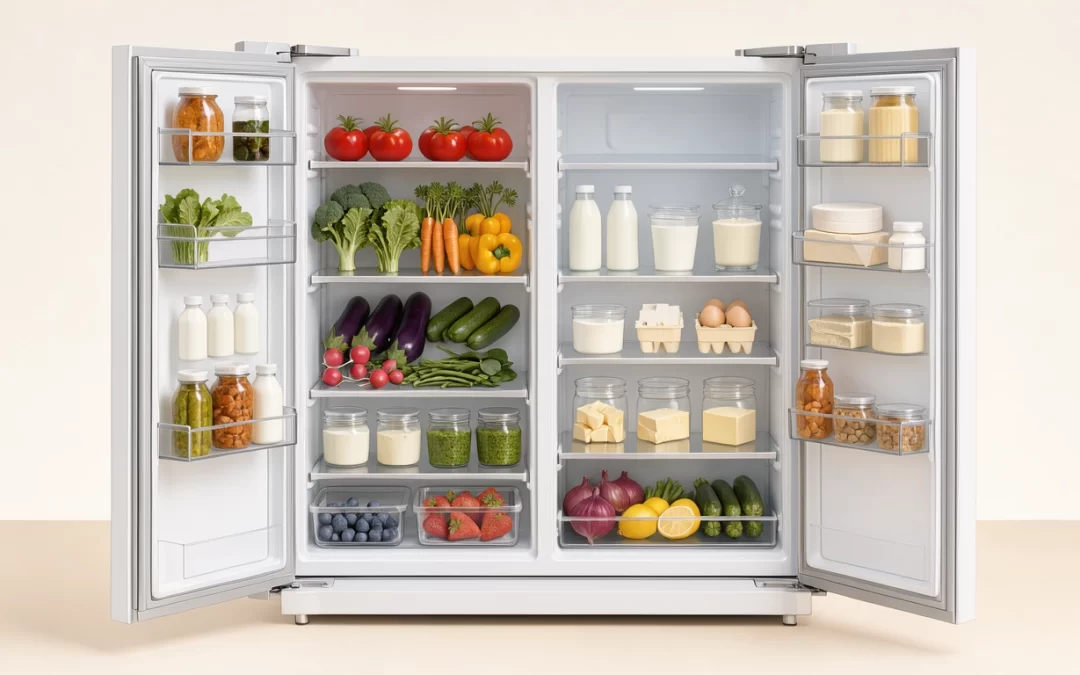
If your fresh produce, milk, and eggs are unexpectedly turning to ice, your refrigerator freezing food is typically caused by improper airflow, incorrect dial settings, or a failing temperature regulation component. Fresh food compartments are designed to maintain an optimal temperature between 37°F and 40°F (3°C to 4°C). When temperatures fall below the freezing threshold of 32°F (0°C), cellular walls in produce rupture, ruining food texture and wasting your grocery budget.
Before replacing spoiled groceries, systematically working through fridge overcooling troubleshooting can help you identify whether the remedy requires a simple habit change or a component replacement. Below are the seven most common reasons your fresh food compartment is dropping below freezing and the exact steps to resolve each issue.
1. Incorrect Temperature Settings
The most frequent cause of a fresh food compartment too cold is an accidentally adjusted control dial or digital keypad. Modern digital panels can be brushed against when loading tall bottles, and analog dials are easily knocked out of position. If the temperature is set below 36°F (2.2°C), minor internal temperature fluctuations can dip items into freezing territory.
How to fix it:
- Inspect your thermostat setting. The fresh food section should sit at 37°F to 40°F (3°C to 4°C), and the freezer section should be set to 0°F (-18°C).
- If your refrigerator uses a 1-to-5 or 1-to-9 dial where higher numbers indicate colder settings, reset the dial to the manufacturer’s recommended mid-point (usually 3 or 4).
- Place a dedicated appliance thermometer inside a glass of water in the middle of the compartment, wait 24 hours, and read the temperature before making further adjustments.
2. Blocked Air Circulation Vents
Refrigerators rely on continuous airflow to balance cooling throughout the interior. Most traditional and French-door designs produce cold air exclusively in the freezer compartment and distribute it into the fresh food section through a series of vents. If large items like milk jugs, cereal boxes, or wide containers are pushed directly against these vents, cold air cannot disperse evenly.
Instead, the sub-freezing air streams directly over nearby items, leaving you wondering why is my fridge freezing everything in one particular spot while leaving other zones warmer. This uneven airflow often results in a fridge freezing food in crisper drawer compartments, as heavy cold air drops naturally to the bottom shelves and pools around delicate produce.
How to fix it: Locate the interior vents (usually located along the rear wall or upper ceiling) and ensure at least 2 to 3 inches of clearance around them. Reorganize tall containers toward the center shelves where circulation remains uninterrupted.
3. Faulty Refrigerator Damper Control
The air damper is a mechanical or motorized flap that opens and closes to control the precise volume of freezing air allowed into the fresh food section. When the interior reaches the desired temperature, the damper motor closes the baffle. If you have a faulty refrigerator damper control, the flap may become stuck in a permanently open position, continuously blasting sub-zero air into your main cabinet.
How to fix it:
- Locate the damper assembly, typically found in the upper rear corner or between the fresh food and freezer compartments.
- Visually inspect the housing for physical ice buildup that might mechanically jam the flap open. If frozen, gently melt the ice using a warm cloth or hair dryer on low heat.
- If the flap moves freely by hand but does not open or close when changing temperature settings, the internal motor or thermostatic bimetal mechanism has failed and the damper assembly must be replaced.
4. Malfunctioning Temperature Sensor (Thermistor)
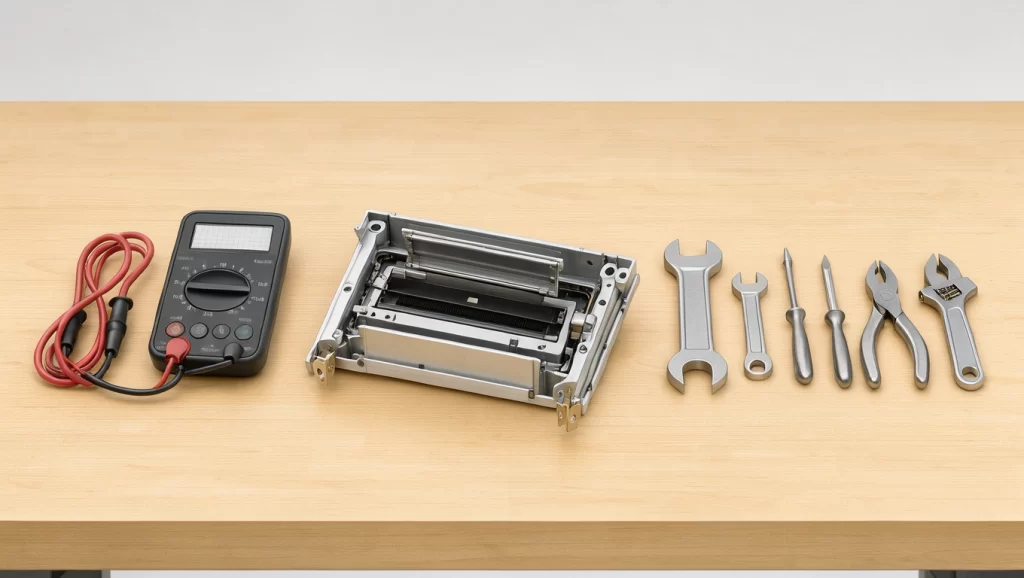
In modern electronic refrigerators, a thermistor monitors cabinet temperature and transmits resistance values to the main control board. When temperature readings are accurate, the board cycles the compressor and fans on and off to maintain balance. Typical refrigerator thermistor failure symptoms include erratic cooling patterns, the compressor running continuously without cycling off, and food freezing regardless of your digital control settings.
How to fix it: Unplug the refrigerator and access the thermistor, which is usually enclosed in a small plastic cap along the rear wall. Using a digital multimeter set to ohms, test the sensor’s resistance while submerging the tip in ice water (32°F / 0°C). Check your appliance service manual for the specified resistance rating (commonly 16,600 ohms at freezing). If the measured resistance deviates significantly from the manufacturer’s rating, replace the thermistor.
5. Defective Refrigerator Temperature Control Thermostat
On older or mechanically controlled units, a refrigerator temperature control thermostat directs voltage to the compressor and evaporator fan motors. A capillary tube attached to the thermostat expands and contracts with cabinet temperature changes, closing electrical contacts when cooling is needed. If these internal electrical contacts weld shut, continuous voltage flows to the compressor, driving temperatures down to extreme lows.
How to fix it: Rotate the temperature dial from its lowest setting to the highest (“off”) setting. Listen closely for an audible click. If you do not hear a mechanical click, use a multimeter to check the thermostat terminals for continuity while the dial is in the off position. If continuity persists when the unit should be off, replace the thermostat assembly. Learning practical refrigerator repair and maintenance tips can help you identify these mechanical wear issues early.
6. Dirty or Obstructed Condenser Coils
Condenser coils dissipate heat extracted from the interior of your appliance. When pet hair, dust, and kitchen debris coat the exterior of these coils, heat exchange efficiency drops drastically. Counterintuitively, this can lead to overcooling: the compressor runs constantly in an effort to bring freezer temperatures down, circulating excessive cold air through the fresh food zone for hours on end.
Incorporating coil cleaning into your routine appliance maintenance prevents your cooling system from straining under unnecessary continuous load.
How to fix it:
- Disconnect power to the refrigerator.
- Locate the coils beneath the appliance behind the front toe kick, or along the lower rear panel.
- Use a specialized condenser coil brush and a vacuum with a narrow attachment to remove accumulated lint and dust.
- Restore power and allow the unit 24 hours to stabilize its operational cycles.
7. Cracked or Worn Door Gaskets
The rubber seals around your refrigerator doors prevent warm kitchen air from entering. When gaskets become torn, brittle, or misaligned, warm moisture leaks inside. While you might expect this to cause warming, the constant influx of heat prompts the internal sensors to keep the compressor running continuously. As freezing dry air is generated non-stop, items positioned near the cold air output freeze solid while door shelves remain lukewarm.
How to fix it: Inspect the gasket around the perimeter of both doors. Test the seal strength using the “dollar bill test”: close the door on a dollar bill; if it slides out easily with zero resistance, the seal is loose. Clean sticky residue off seals using warm soapy water. If the rubber is torn, warped, or cracked, replace the gasket entirely.
Troubleshooting Summary: Overcooling Causes and Solutions
| Possible Cause | Key Symptoms | Difficulty Level | Recommended Action |
|---|---|---|---|
| Blocked Air Vents | Freezing near back wall; uneven shelf temperatures | Easy | Rearrange contents; provide 3-inch vent clearance |
| Temperature Dial Bumped | Uniform mild freezing across upper shelves | Easy | Set dial to 37°F–40°F (3°C–4°C); verify with thermometer |
| Dirty Condenser Coils | Compressor runs non-stop; exterior sides feel very warm | Easy to Moderate | Vacuum and brush coils under or behind unit |
| Damaged Door Gasket | Frost near door frame; localized freezing near air discharge | Moderate | Perform dollar bill test; clean or replace gasket |
| Stuck Damper Control | Extreme cold in fresh section while freezer works normally | Moderate | Check for physical ice; replace damper motor if failed |
| Failed Thermistor | Compressor runs continuously; error codes on digital display | Advanced | Test electrical resistance in ice water with multimeter |
| Defective Thermostat | No click when dial turned to off; continuous cooling | Advanced | Test for electrical continuity; replace thermostat switch |
How to Stop Fridge From Freezing Food: Preventive Measures
Once you have diagnosed the immediate mechanical or layout issue, practicing consistent storage habits will keep temperatures stable over the long term. Avoid overloading shelves, as overpacked compartments disrupt convection air currents. Similarly, avoid placing high-water-content items, such as lettuce, cucumbers, and berries, directly adjacent to the damper output or on the top shelf directly under cold-air distribution channels.
When working with appliance wiring, testing circuits, or replacing electronic control boards, always disconnect the refrigerator from main power first. If you are uncomfortable using diagnostic tools or interpreting voltage schematics, knowing when to hire a professional ensures repairs are completed safely and prevents accidental component damage.
Frequently Asked Questions
Why is my fridge freezing food in the crisper drawer?
Cold air is denser than warm air, causing it to settle at the bottom of the cabinet where crisper drawers are located. If the damper is stuck open, vents are blocked, or the drawer’s humidity slide controls are wide open, this concentrated cold pool easily freezes moisture-rich vegetables.
What temperature should my refrigerator and freezer be set to?
The Food and Drug Administration (FDA) recommends maintaining your refrigerator fresh food compartment at or below 40°F (4°C), with 37°F (3°C) being the ideal sweet spot. The freezer should always be maintained at 0°F (-18°C) to safely preserve frozen goods.
Can a faulty main control board cause a refrigerator to freeze food?
Yes. While less common than a failed thermistor or stuck damper, the main electronic control board regulates power to the compressor and fan motors based on sensor inputs. If a relay on the board sticks closed, it can send continuous power to the cooling system regardless of actual cabinet temperatures.
How long does a refrigerator take to adjust after changing the temperature?
A refrigerator typically takes 24 hours to stabilize its internal temperature following an adjustment. Always wait a full day and measure the temperature with an appliance thermometer before adjusting the controls again.
Conclusion
Dealing with frozen produce and icy beverages is frustrating, but most overcooling issues stem from straightforward airflow problems, accidental setting changes, or manageable component failures like stuck dampers and worn thermistors. By methodically checking your vents, seals, and sensors, you can restore proper temperatures and protect your groceries from premature spoilage.